All projects
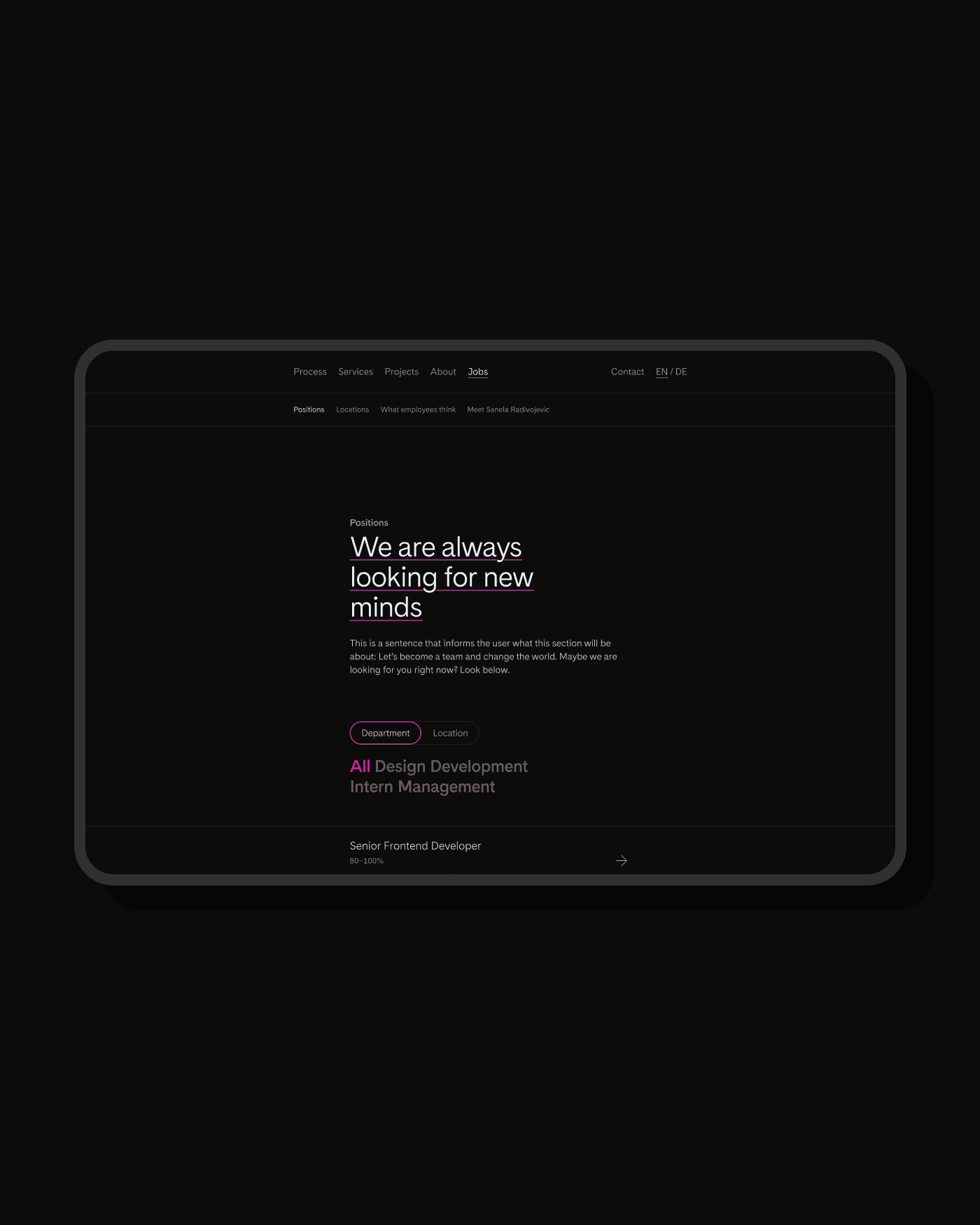
Mindnow introduces a new branding and website
MindnowDigital Product Engineering2023
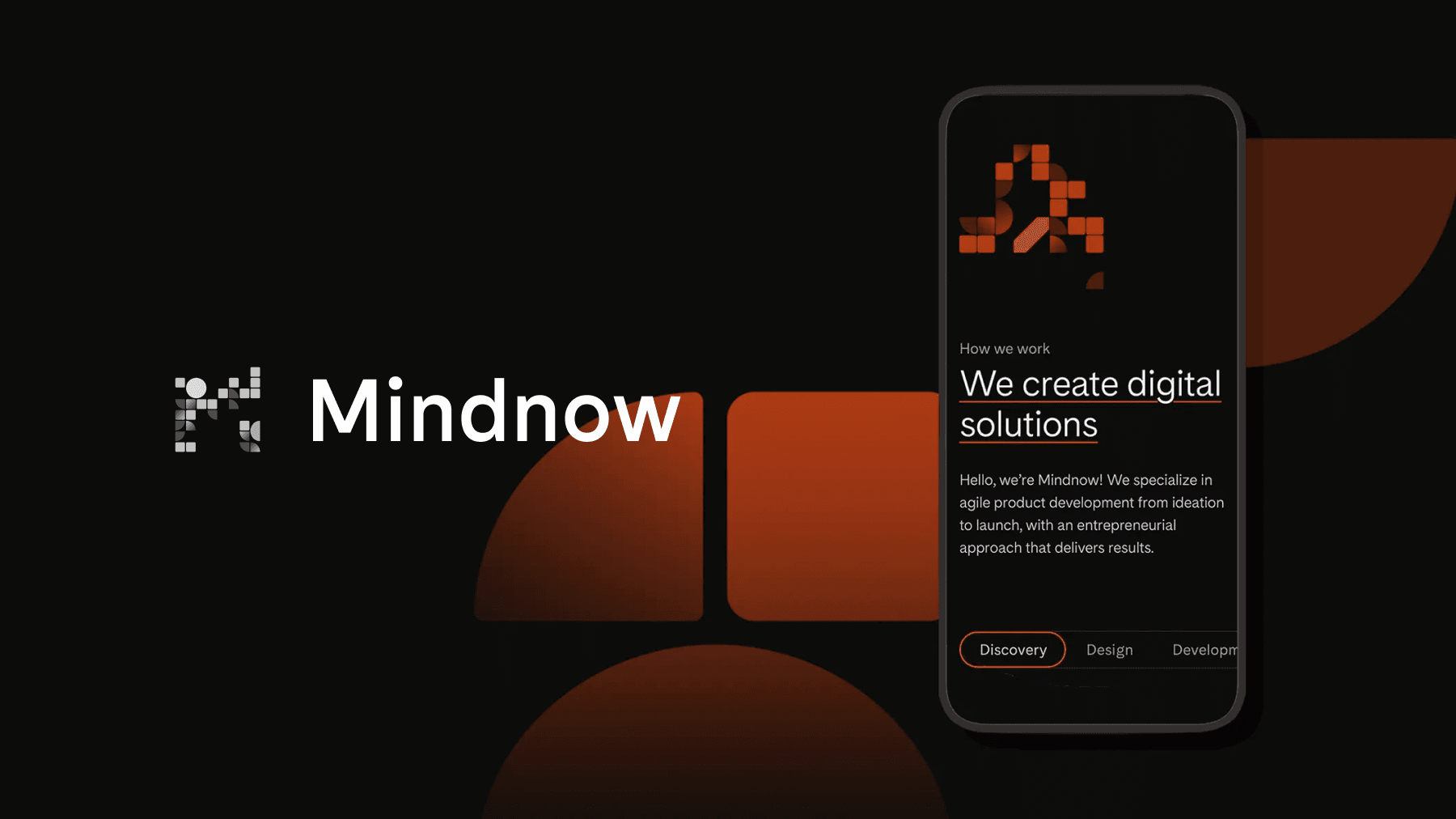
Mindnow rebuilt its corporate identity from scratch to reflect its technological expertise, then launched a new website on a top-notch headless CMS to position itself as a digital product powerhouse.
Results
- 100%
- Lighthouse SEO score
Tags
Product Owner
The challenge.
By 2022, Mindnow's appearance no longer matched what its people stood for: the logo failed to stand out from competitors and the branding no longer reflected its deep technological expertise. The company needed an identity worthy of the product-development powerhouse it had become.
Leverage the individuality of our people
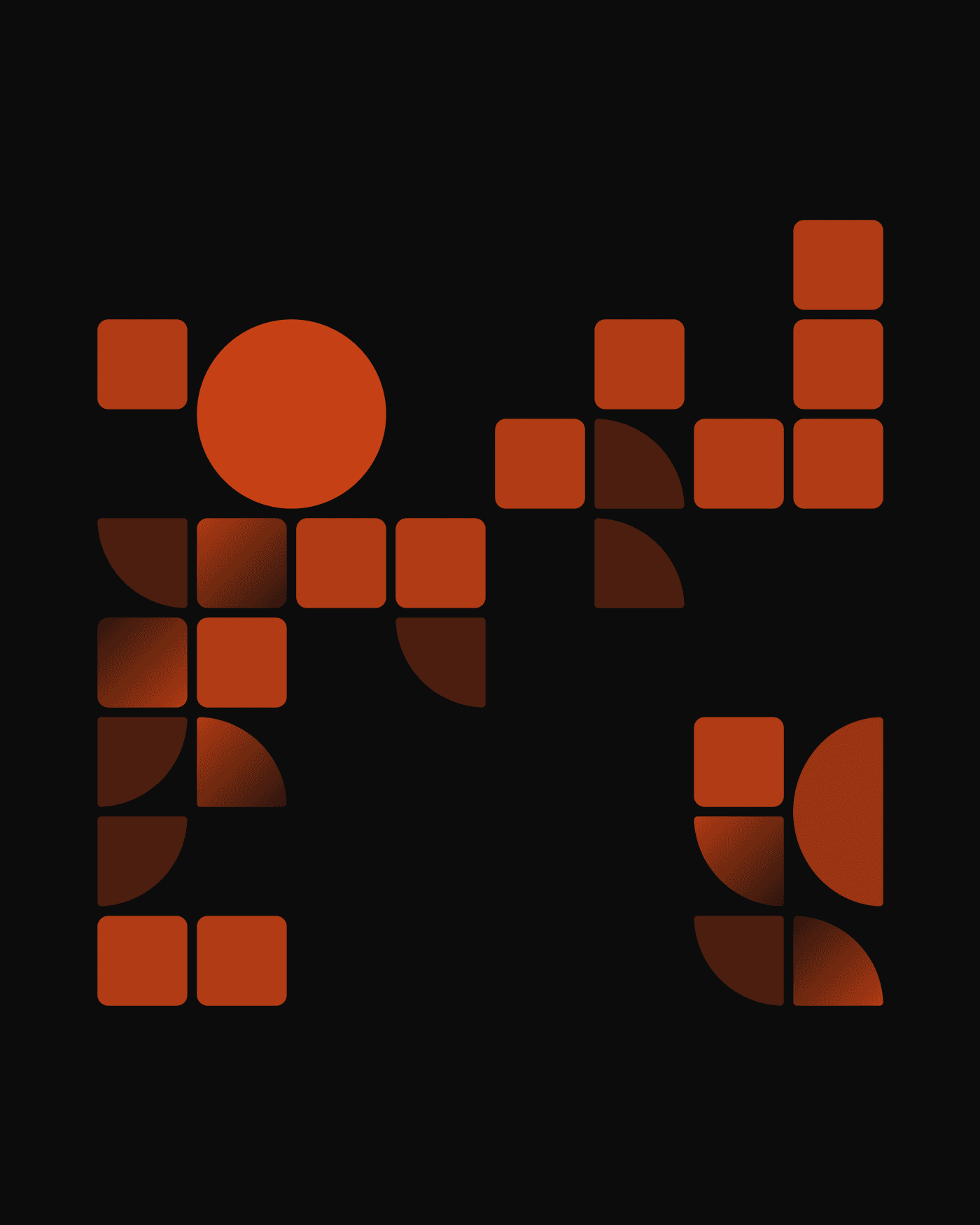
Rather than impose a brand from the top down, Mindnow set out to amplify the individuality of every Mind. Working with graphic designer Kevin Benz, the team developed Mindentity, a system in which every person gets their own logo.
Mindentity, a unique logo for each Mind
Each logo forms a letter from an 8x8 grid of circles, squares and crosses. Deterministic randomness makes every generated mark unique, so even two names starting with the same letter produce entirely different logos.
A new website with a headless CMS
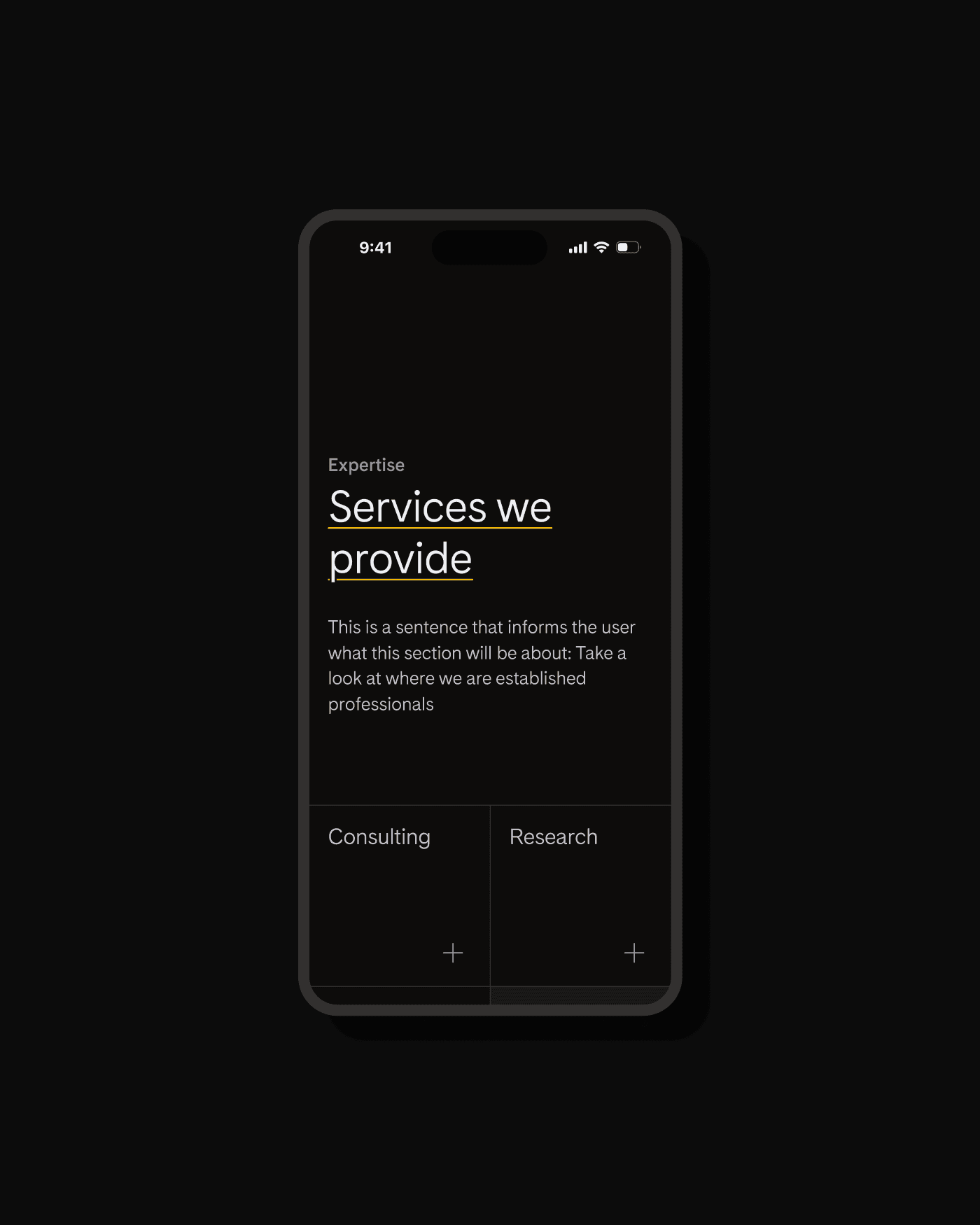
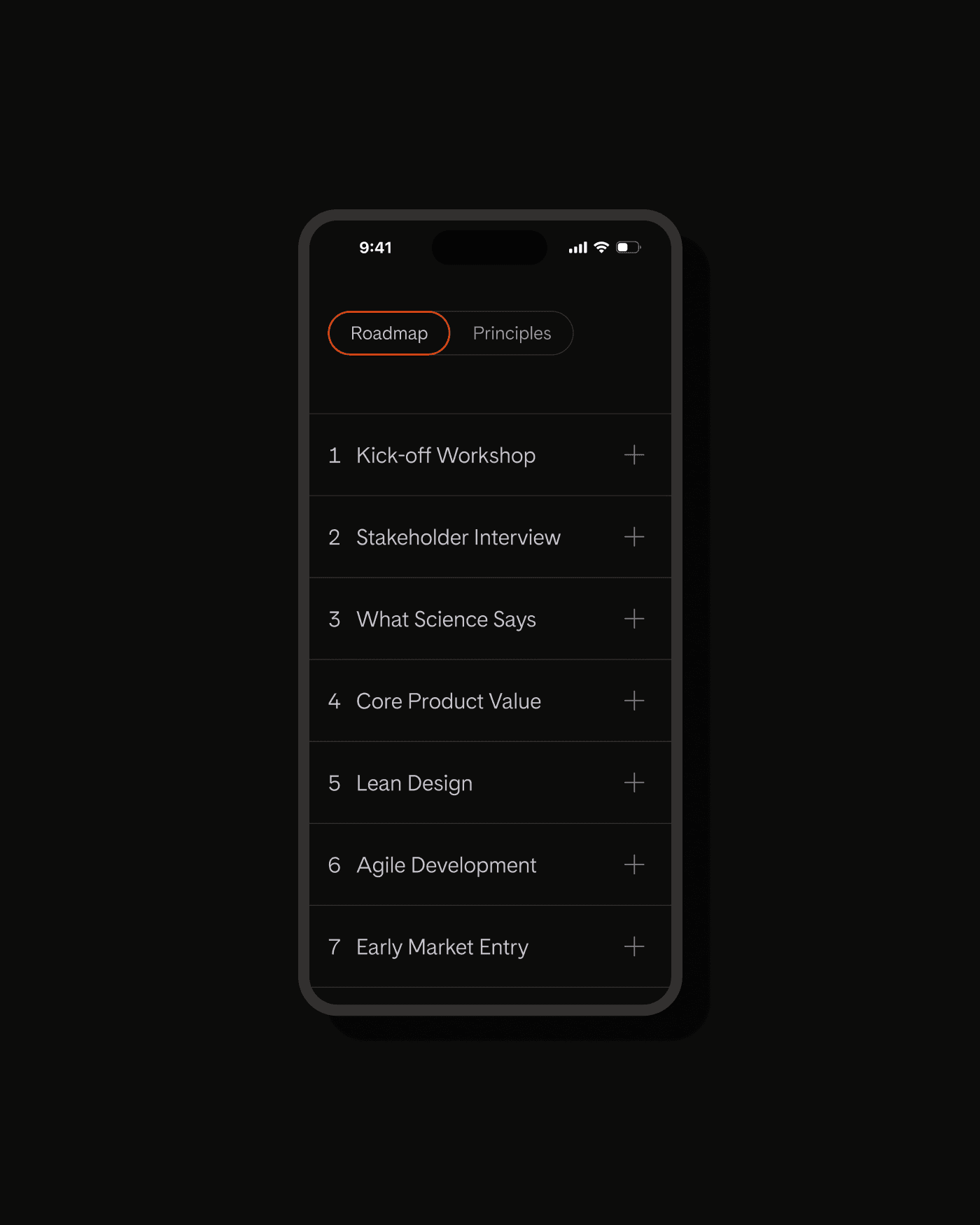
The team translated its atomic design system into reusable bloks in Storyblok, giving the site the modularity, flexibility and originality it was after, and earning Mindnow official Storyblok partner status.
The approach.
- 01.
Mindentity logo system
A generative identity built in Fragment that renders a unique logo for every employee, using deterministic randomness across an 8x8 grid of shapes and each Mind's chosen color.
- 02.
Atomic design language
A component-based system following the Atomic Design method for high reusability and consistency, paired with a layered color system tuned for both accessibility and elegance.
- 03.
Headless build on Storyblok
The design system was modeled as nested, reusable bloks in Storyblok on a React and Next.js frontend, keeping content flexible without any backend code.
Result
Mindnow rebuilt everything from the ground up: a generative Mindentity logo system, an atomic design language with a nuanced, accessible color system, and a new website engineered on the headless CMS Storyblok, reaching a 100% Lighthouse SEO score and official Storyblok partner status.
Tech stack
CMS
StoryblokFramework
Next.jsFrontend
ReactGenerative Design
FragmentNext project
Thömus
A 3D configurator that turns complex bikes into a buying experience